The 2026 F1 Season: Antonelli's Emergence and Mercedes' Renewed Dominance
The 2026 Formula 1 season is shaping up to be a fascinating chapter in the sport's storied history, marked by the emergence of a new star and a familiar team's return to dominance. At its core, this season tells the story of Andrea Kimi Antonelli, a prodigious talent leading the charge for Mercedes, and the broader narrative of the team's resurgence to the top of the championship standings.
A New Star in the Making: Andrea Kimi Antonelli
Andrea Kimi Antonelli's rise to the top of the drivers' standings is nothing short of remarkable. At just 19 years old, Antonelli has already etched his name into the history books as the youngest driver to lead the championship. With two wins in the first three races, including a commanding victory at the Japanese Grand Prix, Antonelli has proven that he is not just a flash in the pan but a genuine contender for the title.
Mercedes has managed to cultivate a supportive environment for Antonelli, balancing the need to keep him grounded with the pressures of leading a championship campaign. According to Motorsport.com, the team has employed light-hearted tactics, such as garage pranks, to ensure the young Italian remains focused yet relaxed. This approach appears to be paying dividends, as Antonelli's performances have been both mature and decisive, suggesting he is well-equipped to handle the pressures of a title fight.
Mercedes: Back on Top
After a few seasons of playing catch-up, Mercedes has re-established itself as the team to beat in 2026. With 135 points and three wins from the opening rounds, the Brackley-based squad leads the constructors' standings by a comfortable margin over Ferrari. The combination of Antonelli's youthful exuberance and George Russell's experience has created a formidable partnership, with Russell himself securing a win and consistently finishing near the top.
However, Russell has issued a cautionary note against complacency. As reported by Motorsport Week, Russell has reminded his team that the championship is far from decided, despite their early success. This sentiment underscores the competitive nature of modern Formula 1, where the margins between victory and defeat are razor-thin, and any slip-ups can be costly.
Ferrari's Pursuit and the Hamilton Factor
Ferrari, while trailing Mercedes in the standings, remains a potent force. The Scuderia's decision to bring Lewis Hamilton into the fold has added a layer of intrigue to their campaign. Hamilton, a seven-time world champion, brings a wealth of experience and a burning desire to add to his legacy with Ferrari. His presence alongside Charles Leclerc has created a dynamic pairing that could challenge Mercedes' supremacy.
Leclerc's podium finish in Japan is a testament to Ferrari's potential, but the team will need to find more consistency if they are to mount a serious title challenge. The next few races will be crucial for Ferrari as they seek to close the gap to Mercedes and capitalize on any opportunities that arise.
McLaren's Resurgence and the Midfield Battle
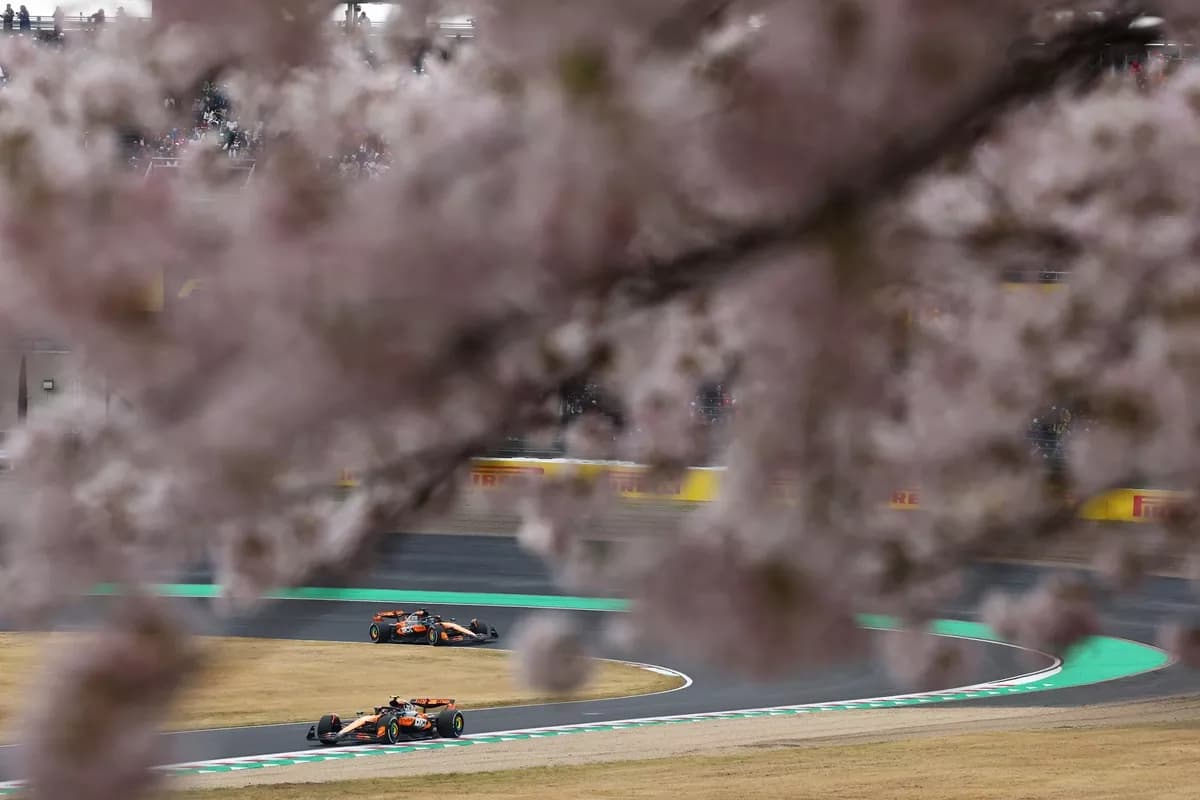
Beyond the top two teams, McLaren has emerged as a notable player this season. Lando Norris and Oscar Piastri have delivered strong performances, with Piastri securing a second-place finish in Japan. McLaren's technical revamp, as covered by IntoTurnOne, aims to bridge the gap to the front-runners, and early indications suggest they are on the right track.
The midfield battle is as intense as ever, with teams like Haas and Alpine vying for crucial points. Haas's Esteban Ocon and Alpine's Pierre Gasly have both shown flashes of brilliance, but consistency will be key in maintaining their positions in the constructors' standings.
Regulatory Changes and Their Impact
The 2026 season has also been defined by significant regulatory changes, which have sparked debate within the paddock. As Motorsport Week reports, the FIA's new ruleset has faced criticism, but the governing body remains steadfast in its belief that the changes have been beneficial overall. The upcoming Miami Grand Prix will see further refinements, particularly concerning energy management in qualifying, which could shake up the competitive order.
These regulatory tweaks are part of Formula 1's ongoing effort to enhance the spectacle and level the playing field. While some teams have adapted swiftly, others are still grappling with the implications of the new rules. How these changes play out over the remainder of the season will be a storyline worth watching.
Historical Context and Future Implications
In historical terms, the 2026 season is notable for its blend of youthful talent and experienced campaigners. Antonelli's emergence as a potential champion is reminiscent of past prodigies like Lewis Hamilton and Sebastian Vettel, who burst onto the scene and quickly established themselves as forces to be reckoned with. Should Antonelli maintain his momentum, he could very well join the ranks of F1's elite.
Mercedes' return to form also highlights the cyclical nature of Formula 1. Teams that dominate for extended periods often face challenges as rivals catch up, but the truly great teams find ways to reinvent themselves and return to the top. Mercedes' ability to do just that speaks volumes about their organizational strength and strategic acumen.
As the season progresses, the narratives of Antonelli's rise, Mercedes' dominance, Ferrari's pursuit, and the impact of regulatory changes will continue to unfold. Each race will add new layers to this evolving story, keeping fans on the edge of their seats and ensuring that the 2026 season remains one for the history books.